DNA study of the Kazakh Tobet: what 107 samples revealed
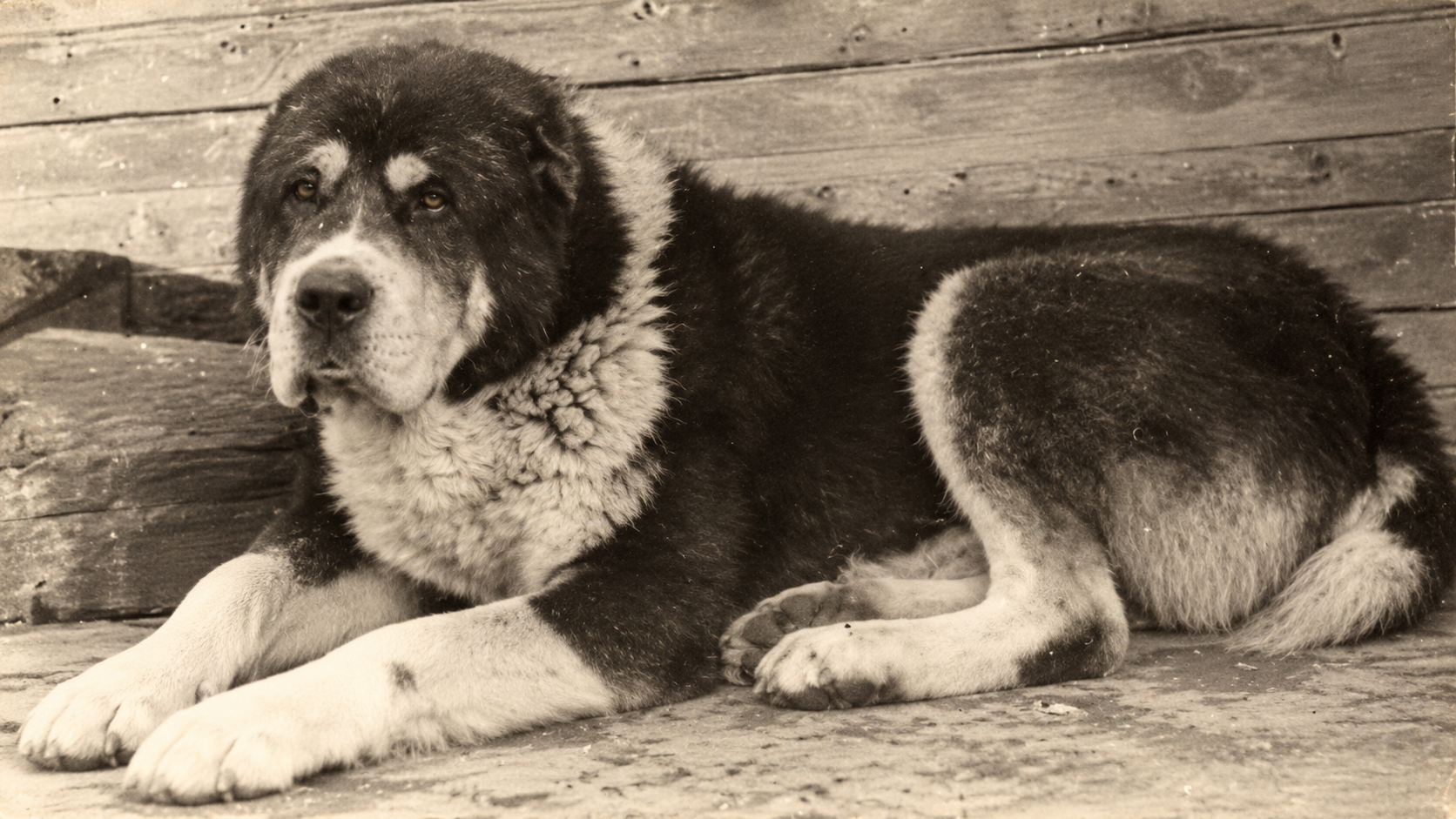
In 2024, Kazakhstani researchers published the first large-scale genetic study of the Kazakh Tobet in *Scientific Reports*. They analysed DNA from 107 dogs from southern, eastern and northern Kazakhstan, as well as Tobets brought to Mongolia by Kazakh families.
DNA study of the Kazakh Tobet: what 107 samples revealed
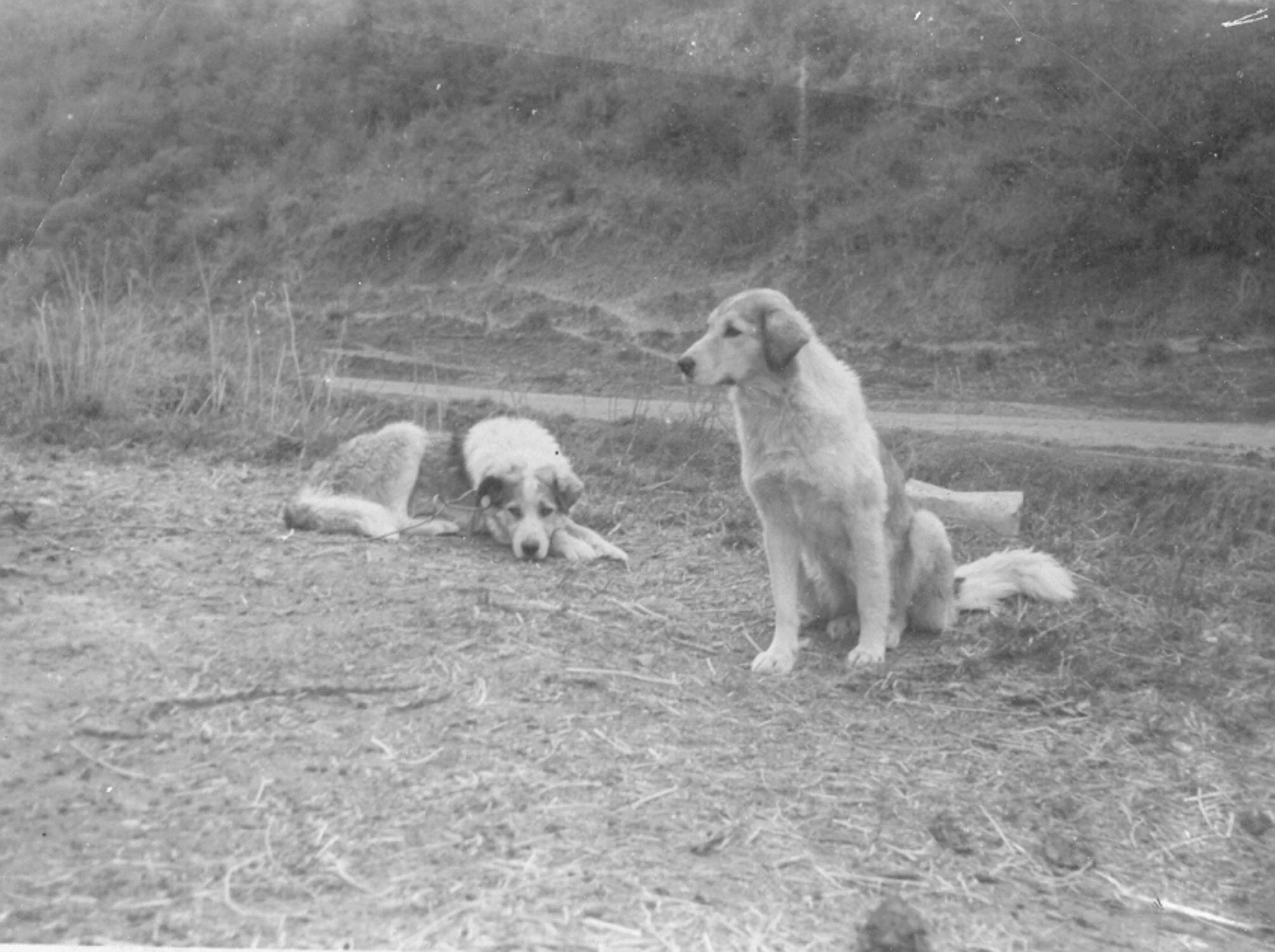
In 2024, Kazakhstani researchers published the first large-scale genetic study of the Kazakh Tobet in Scientific Reports. They analysed DNA from 107 dogs from southern, eastern and northern Kazakhstan, as well as Tobets brought to Mongolia by Kazakh families.
The main conclusion is simple: the Kazakh Tobet is a genetically diverse population with deep historical links to other livestock guardian dogs of Central and Western Asia.
How the study was conducted
The researchers examined 18 STR markers — DNA regions used to assess genetic diversity and relatedness in dogs. They also performed whole-genome sequencing on two Tobets and compared their genomes with data from 43 dogs representing 24 working breeds.
The sample included dogs assessed by a canine expert as conforming to the breed standard. Material was collected using cheek swabs or blood samples.
Important: the study describes the specific sample of 107 dogs. It does not mean that every dog called a Tobet today has the same origin or genetic profile.
High genetic diversity
The Tobets showed a high level of genetic diversity. Observed heterozygosity across the different groups was approximately 76–78%. This means that many different gene variants have been preserved in the studied population.
The inbreeding coefficient in the studied sample was low: F = 0.03. This indicates that, overall, no pronounced accumulation of close-relative matings was found among these dogs.
This is a positive sign for the breed. Genetic diversity gives breeders more opportunities to select pairs without repeatedly using the same ancestors.
Not one line, but a complex genetic structure
The analysis identified seven genetic clusters. They were found in all studied groups, both in Kazakhstan and among the dogs in Mongolia.
This does not mean that there are seven separate varieties of Tobet. It means that the population contains several genetic directions shaped by the history of nomadic livestock breeding, regional breeding practices, the movement of people and dogs, and different selection approaches.
This is an important conclusion for breeding: preserving the Tobet is not limited to searching for one “only correct” line. Diversity among lines is also valuable when they meet the requirements of breed type, working purpose and health.
Relationship with Alabai and Akbash
Whole-genome analysis showed shared genetic heritage between the Kazakh Tobet, the Central Asian Shepherd Dog and the Turkish Akbash. This is expected: all three are large livestock guardian and protection dogs that developed in neighbouring regions and worked in similar conditions.
However, a shared history does not mean they are the same breed. Related breeds may have common ancient ancestors, historical crossbreeding and similar selection for working qualities. At the same time, each retains its own type, history and cultural setting.
A sign of ancient origin
The researchers identified mitochondrial haplotype A18 in the studied Tobets. Mitochondrial DNA is inherited through the maternal line, so this result helps trace only one part of a dog’s ancestry.
The authors believe that this finding supports the hypothesis of the Kazakh Tobet’s ancient origin, previously associated with archaeological finds and historical sources. However, one haplotype alone cannot serve as a “purebred passport” for an individual dog.
What this means for breeders
The study provides a scientific basis for preserving the Kazakh Tobet as an independent genetic lineage. The practical conclusions for kennels and owners are:
- maintain complete pedigrees and preserve origin records;
- avoid uncontrolled close inbreeding;
- preserve different families and regional lines;
- consider not only conformation, but also health, temperament, working qualities and origin;
- use DNA testing as a supplement to pedigrees, not as a replacement for responsible breeding.
On Boribasar, a pedigree helps identify recurring ancestors, calculate the inbreeding coefficient and evaluate a planned mating in advance. But the inbreeding coefficient is neither a verdict nor a quality mark on its own. It should be considered together with information about health, type, temperament and the quality of individual lines.
Study source
Perfilyeva A., Bespalova K., Kuzovleva Y. et al. Genetic diversity and origin of Kazakh Tobet Dogs. Scientific Reports, 2024, volume 14, article 23137. DOI: 10.1038/s41598-024-74061-9.